How to Build Muscle: A Calm Approach Without the Hype
Published 2026-07-18 · 7 min read
"Bulking up" is often pictured as "just eat a lot of everything" — and the result is extra fat instead of muscle. In reality, muscle growth rests on three simple things: strength training, a small energy surplus, and enough protein, with sleep and patience on top. Here it is without extremes: how it works and where to sensibly start.
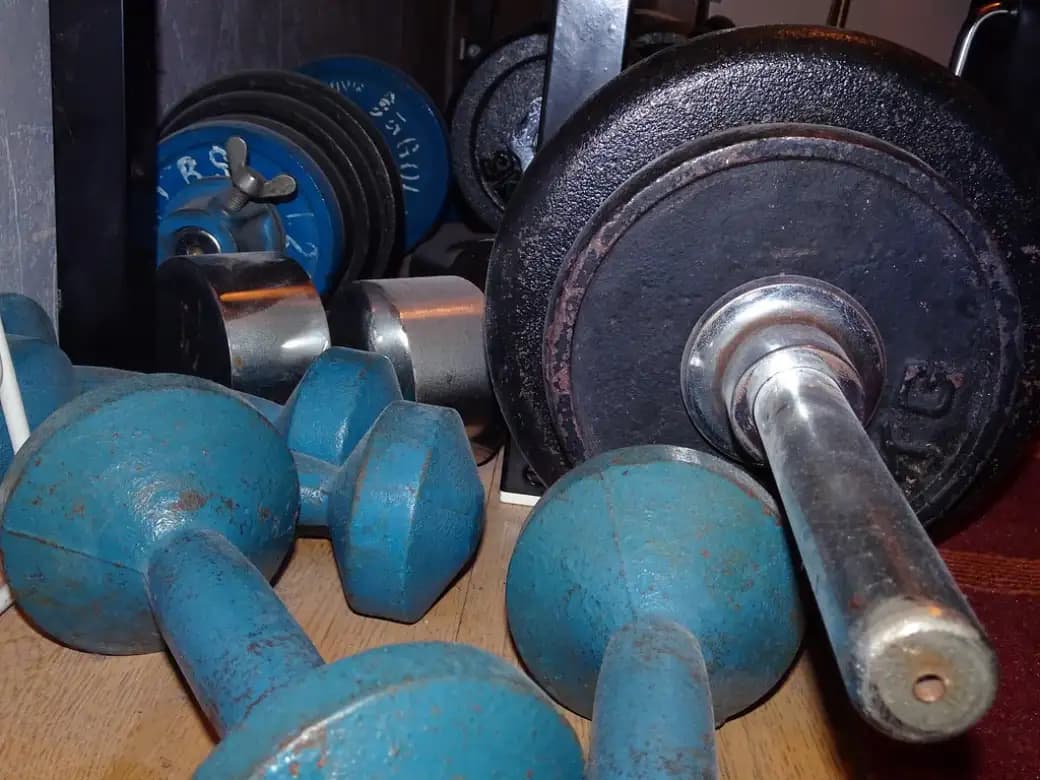
Muscle growth is training plus a small surplus
Muscles grow in response to load: strength training creates the stimulus, and the body rebuilds the fibers stronger than before. But to have building material, a bit more energy and protein needs to come in than goes out — this is called a calorie surplus.
Crucially, "lots of food" on its own doesn't create muscle: without regular training the surplus turns into fat. And the reverse is true too — training in a hard deficit gives almost no growth. What works is the pairing: load sets the direction, a moderate surplus and protein provide the material.
Why "eat everything in sight" is a bad idea
The strategy of "gain at any cost first, cut later" is often called a dirty bulk. Fast gains on the scale are mostly fat and water, not muscle: the body can't build muscle tissue faster than a certain limit, no matter how much you eat.
A moderate, careful surplus almost always wins: muscle grows at its own pace anyway, while you gain less excess fat you'll have to shed later. Slower by the number on the scale — but cleaner in terms of body composition.
What surplus and pace make sense
A benchmark specialists mention is a small surplus of around +200–400 kcal above your maintenance level. That's enough for growth and too little for noticeable fat gain.
A realistic pace for a beginner is roughly 0.25–0.5 kg per month, and that's normal: muscle isn't built as fast as we'd like. For people who've trained for a while, gains are even slower. If weight climbs noticeably faster, part of the gain is likely no longer muscle, and the surplus is worth reducing.
Where to start in practice
You don't need to change everything at once — growth comes from a few steady habits:
- Train with progression: gradually add weight or reps so the load keeps rising — without that stimulus muscles have no reason to grow.
- Keep a small surplus rather than "eating until stuffed" — the excess should be moderate and consistent.
- Add protein to every meal — it's the main building material.
- Carbs around your workout help you train with more energy and recover.
- Judge by the 2–4 week average: weight and measurements change slowly, daily fluctuations mean nothing.
How much protein and how to build your diet
For muscle growth the usual guideline is around 1.6–2.2 g of protein per kilogram of body weight per day — adding more within this range has almost no benefit. Sources include meat, fish, eggs, cottage cheese and dairy, and on the plant side beans, tofu and soy.
It's convenient to spread protein across several meals rather than eating it all at once. Fill in the rest of your calories with normal food — grains, vegetables, healthy fats; exotic supplements aren't needed to start.
How food tracking helps you hit your numbers
A common reason mass won't budge is that people eat less than they think and hit neither the surplus nor the protein target. Simple feedback helps here: seeing roughly how much you ate and how much protein was in it, without the drudgery of weighing every gram.
Calvero makes this step easy: photograph your plate — the service estimates calories and macros and shows how they fit into your daily target. If something is recognized inaccurately, correct it in words. The point isn't calorie-perfect accuracy, but seeing whether you're hitting the surplus and protein you need to grow.
When it's better to see a doctor first
This article is general information, not a training program, meal plan, or medical advice. It's worth consulting a professional before heavy training and diet changes if you have chronic conditions, joint or heart problems, take medication, as well as for teenagers and during pregnancy or breastfeeding. A program tailored to your situation should be set by a doctor or a qualified trainer.
This content is for informational purposes only and is not medical or dietetic advice. Consult a doctor or a registered dietitian before changing your diet.